
Unlocking the Power of DG Content and SEO: Mastering Data-Driven Content Strategies
- Diego Garzon
- Jul 7
- 4 min read

When it comes to growing your online presence, you need more than just good content. You need smart, data-driven content strategies that align with your SEO goals and deliver measurable results. I’m here to guide you through unlocking the power of DG content in SEO, showing you how to leverage data to create content that not only ranks but converts.
You might be wondering: what exactly is DG content? How can it transform your SEO efforts? And what practical steps can you take to implement these strategies today? Let’s dive in.
Why Data-Driven Content Strategies Are a Game-Changer for SEO
Data-driven content strategies mean using real, actionable data to inform every piece of content you create. Instead of guessing what your audience wants or relying on outdated tactics, you use insights from analytics, keyword research, and user behavior to craft content that hits the mark.
Here’s why this approach works:
Precision targeting: You know exactly what your audience is searching for and tailor your content accordingly.
Improved engagement: Content that answers real questions keeps visitors on your site longer.
Higher rankings: Search engines reward content that satisfies user intent and demonstrates authority.
Better ROI: You invest time and resources in content that drives traffic and conversions.
For example, a recent study showed that companies using data-driven content strategies saw a 30% increase in organic traffic within six months. That’s the kind of impact you want.

How to Build Effective Data-Driven Content Strategies
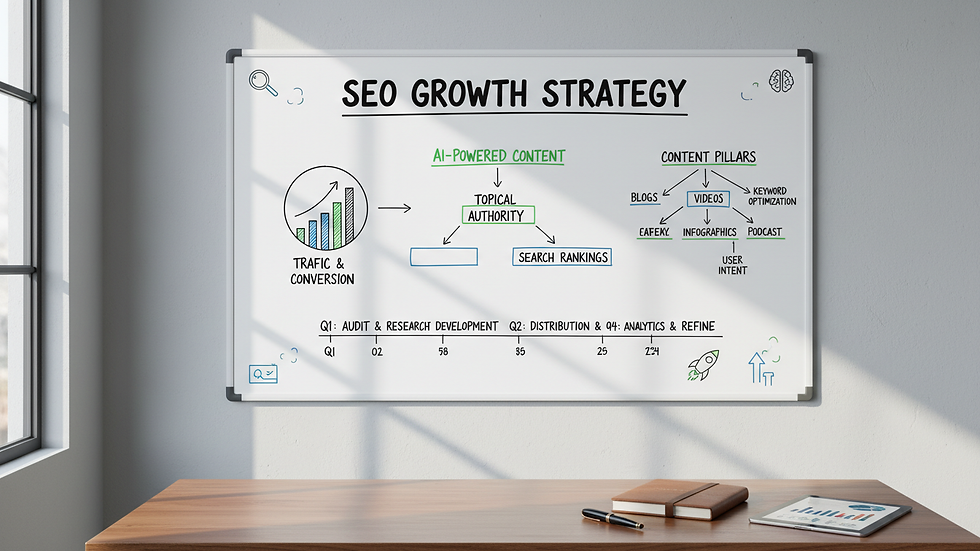
Building a data-driven content strategy involves several key steps. Here’s a practical framework you can follow:
Gather and analyze data
Use tools like Google Analytics, Search Console, and keyword research platforms to collect data on your current traffic, user behavior, and keyword opportunities.
Identify content gaps and opportunities
Look for topics your competitors rank for but you don’t. Find questions your audience is asking that aren’t fully answered online.
Create content aligned with user intent
Whether users want to learn, buy, or compare, your content should match their intent. Use data to understand what format works best—blog posts, videos, infographics, or guides.
Optimize for SEO best practices
Incorporate relevant keywords naturally, optimize meta tags, and ensure your content is mobile-friendly and fast-loading.
Measure and iterate
Track how your content performs and adjust based on what the data tells you. SEO is an ongoing process.
By following these steps, you’ll create content that not only attracts visitors but also converts them into customers.
What are the 4 types of SEO?
Understanding the four main types of SEO helps you apply data-driven content strategies more effectively. Here’s a quick overview:
On-Page SEO
This involves optimizing individual pages to rank higher. It includes keyword usage, meta descriptions, headers, and content quality.
Off-Page SEO
Focuses on building backlinks and improving your site’s authority through external signals.
Technical SEO
Deals with website infrastructure, such as site speed, mobile-friendliness, crawlability, and secure connections (HTTPS).
Local SEO
Targets local search results, important for businesses serving specific geographic areas.
Each type requires different data points and tactics. For example, technical SEO benefits from site audits and crawl reports, while off-page SEO relies on backlink analysis.

How DG Content and SEO Work Together to Boost Your Growth
You might have heard the term dg content and seo but wondered how they fit together. DG content stands for data-generated or data-guided content, which means your content creation is powered by data insights.
When you combine DG content with SEO, you get a powerful synergy:
Content relevance improves because you’re targeting keywords and topics backed by data.
User experience is enhanced by addressing real user needs and questions.
Search engine trust grows as your content becomes authoritative and comprehensive.
Conversion rates increase since your content aligns with the buyer’s journey.
For instance, a B2B company I worked with used DG content to identify high-value keywords with low competition. They created targeted blog posts and saw a 45% increase in qualified leads within four months.
Practical Tips to Implement DG Content in Your SEO Strategy
Ready to put this into action? Here are some actionable tips to help you unlock the power of DG content in your SEO efforts:
Use keyword clustering: Group related keywords to create comprehensive content hubs that cover topics in depth.
Leverage user intent data: Analyze search queries to understand whether users want information, want to buy, or want to compare.
Incorporate structured data: Use schema markup to help search engines understand your content better and improve rich snippet chances.
Regularly update content: Refresh your posts with new data and insights to maintain rankings and relevance.
Test different content formats: Use data to see if your audience prefers videos, infographics, or long-form articles.
By applying these tips, you’ll create a content ecosystem that drives sustainable SEO growth.
Unlocking Growth with Data-Driven Content Strategies
You now have a clear roadmap to harness the power of DG content in SEO. By focusing on data-driven content strategies, you can create content that truly resonates with your audience and ranks well on search engines.
Remember, the key is to continuously analyze, optimize, and adapt your content based on real data. This approach will help you accelerate growth, increase traffic, and boost revenue.
Start today by auditing your current content, identifying gaps, and applying these proven strategies. Your SEO success depends on it.


Comments